
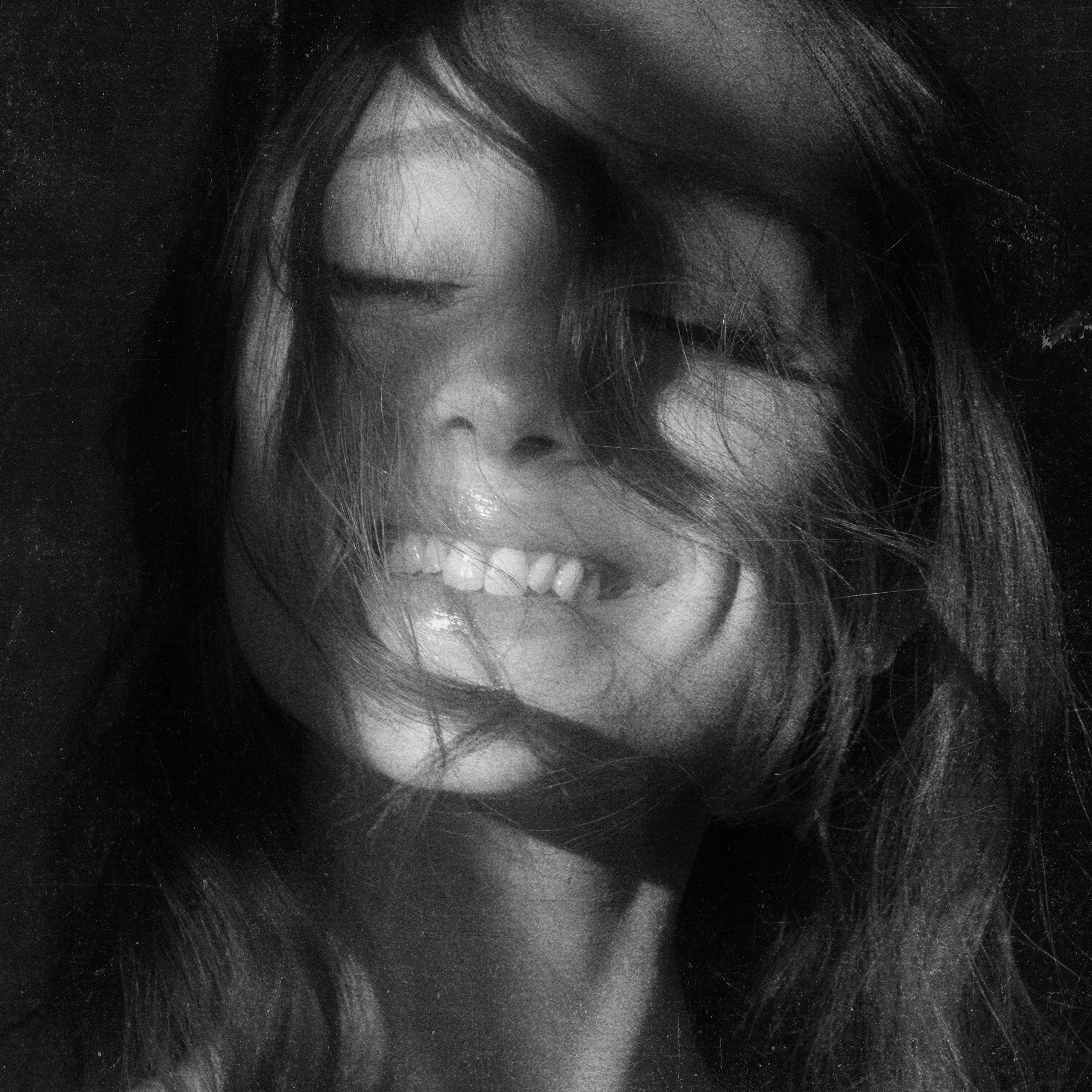
By Brosnan Butt and Jack Kaempfer
Picture yourself. You’re Ariana Grande. In the past two years, you have been in the public eye at a level that most people would envy. You’ve released the critically acclaimed eternal sunshine and deluxe brighter days ahead. You’ve starred in Wicked and Wicked: For Good, movies praised for their musical performance and touching story. You’ve received Oscar and Golden Globe nominations. The EGOT rumors intensify. Your fans have begged for an eternal sunshine tour, an activity you haven’t considered since 2019 (a small eternity in the pop world). The tickets sell out in minutes, of course. And there’s more! A comedy movie, a musical Broadway production, and American Horror Story all announce themselves with your name attached. Life simply could not get better, right?
Except it’s not all rosy. Your sudden divorce after a brief marriage rocks the internet and sends the rumors flying. Your romantic and platonic relationships with your co-stars are hyper-examined and psychoanalyzed to the point of madness. Every day, there’s a new headline about your body—it’s too skinny, it’s worrying, it sets a bad example for girls who struggle with body image. You’re secretly an anorexic or GLP-1 addict. And the public misses the old Ariana, the one they used to criticize, the one with the brown ponytail and the right body (even though it wasn’t at the time). The one who belted and lacked enunciation when she sang. That sassiness and wit that got you into trouble and into internet memes and tabloids? We miss it all, the public says, even though we used to hate it.
Would you not feel angry and resentful toward the ones who elevated your art? The listeners who pay your bills and make your projects profitable? The exhausting burden of no-matter-what-you-do-you-will-always-be-criticized? You have to put those feelings somewhere, but where? Like you always have, in an album. eternal sunshine discussed these feelings, but there you were kind, empathetic. You reinforced your boundaries, sought healing, and experienced personal growth. The message was clear, but gentle. And it didn’t work. Now, one album later, you are healed and no longer willing to silence yourself. petal might be a pretty name, but behind the flowers, Grande lashes out with thorns. It’s deserved, and successfully accomplishes its mission.
The first notable thing about petal is that Grande, largely known for vocal acrobatics, is pleasantly restrained. Instead of big, belty moments, she chooses to layer and build her vocals into detailed, billowing harmonies that give a satisfying body to petal. The album is smooth and atmospherically muted in a way that evokes a melancholic sense of distance or coldness. One of the best examples is lead single “hate that i made you love me,” where Grande chooses to slowly enrich and stack each vocal throughout the repeated verses and chorus. The song begins fairly restrained and ends quite simmering and lush. Elsewhere, such as on the title track and “warning signs,” she deliberately allows the production to swallow her vocals in harsh, distorted soundscapes. Her vocal tone is as breathy as it’s ever been, and Grande’s literal voice being lost says a lot about the creative place she approached this album from.
Grande’s ethereal and soft vocals are paired with production headed up by longtime collaborator Ilya Salmanzadeh and the occasional Max Martin touch (Grande also served as executive producer). These are both producers that Grande has worked with before. Because of this, petal feels like the lovechild of several of Grande’s previous albums but also stands distinct within her catalogue. There’s a slightly industrial edge to the guitars that Iyla and Max Martin selected that makes some of the songs sound rock-adjacent. “Bad thing (bunny bop)” goes full pop rock and wouldn’t feel out of place on Olivia Rodrigo’s you seem pretty sad for a girl so in love. Iyla and Martin also choose very twinkly and weird synths that reminded us of Taylor Swift’s Midnights. Petal feels grungy, feral, angry, and vulnerable. Grande says she was fixated on the image of “petal in the pavement,” where something beautiful, gentle, and resilient thrives despite harsh, cold, and inanimate surroundings. The production serves this concept well.
At first brush, petal’s sonic palette feels a bit muted or bored. It lacks ballads, and there also aren’t the usual number of big pop choruses fans expect from Grande. petal’s catchiest moments have an edge of repressed anger or existential dread—quite the downer for those who look to her music for empowerment anthems. This atmosphere is far from laziness or a lack of inspiration, but rather a deliberate choice to communicate the album’s themes. The album’s sound is full of nuance and quietly conveyed emotion that emerges bit by bit after repeat listens. In keeping with the theme, petal blooms slowly. It’s brittle, bitter, and exhausted from the relentless torrent of scrutiny Grande has received in the past few years, yet owns its journey and grows toward the sun despite being planted in a crack in the pavement.
Grande’s lyricism continues to please despite feeling underdrafted in certain moments. eternal sunshine was a defining moment in her discography where her pen got much sharper, smarter, and more artistic. petal builds on that thematic excellence but pulls back the specificity. Instead, Grande adopts metaphor and other tools to slowly build a compounding idea and narrative throughout multiple songs rather than detailing narratives within individual lines or stanzas. She communicates her feelings more plainly than on her last project, but in a way that makes it difficult for the listener to learn anything about her perspective except exactly what she wants to share. On a surface-level examination, petal appears to be about a romantic relationship gone sour. But as one sits with the record, the larger picture begins to reveal itself. This album addresses the public, the press, and the fans as the cause of Grande’s pain.
Society desperate for remedy
Empathy, fix this reality
You know I don’t believe I (Belong)
You know I don’t believe this, I don’t believe I
Gimme something to love
Gimme somethin’ overwhelming
Buy the ticket, take the ride, mm
Gimme something to love (Love)
Somеthing just to obsess me (Just to obsess mе)
It’s do or die, bring me to life (Mm)— “kiss me”
Clearly, like most people, Grande acknowledges the brokenness of the world. However, she’s lost her faith in empathy as the solution. Society has caused all of her problems, and she’s tired of trying to find a solution beneath their scrutiny.
This is a common theme linking the vocals and production of petal. At times, Grande and the production act as aggressors or opponents. Very rarely do they comfortably coexist (even if they sound pleasant musically). This isn’t to say that petal sounds bad. Rather, Grande cleverly uses the production to function as an antagonist, the voice of society or whomever else stands against her. Once the listener has identified this connection, petal‘s colors, shades of grey they may be, come into focus.
“warning signs” to “like i do” is the best tracklisting example of this idea. On “warning signs,” Grande sings about fans (or perhaps a label or manager) who extract pleasure from her art and refuse to allow her agency. She acknowledges her own responsibility in ignoring the obvious wisdom of not catering to the demands of the label or vampiric fans, yet still answers to those who sell and consume her voice.
Blind half the time
I run through all your warning signs
I wonder why I answer each time
You call me when your numbers slide
— “warning signs (interlude)”
Next, Grande tackles the concept of celebrity. The public, press, and fans are deeply involved in her personal life, from which she spins songs for their consumption. Grande is frustrated with the fickle nature of how people devour her music, devour her. How can the people so clearly infatuated with her also be so consumeristic and cruel? Yet she still derives her happiness and self-worth from these people, if only temporarily. And when they discard her, her voice haunts their lives until they are craving their next hit.
And does it even make a sound?
My pain is music, do you hear me everywhere?
Wear me like your new tattoos
And yet your favorite muse just simply disappears
Monday, I got you all over me
You love me like ecstasy
Make me see colors I haven’t seen for a while
But Friday, you’re suddenly ghosting me
My wisdom has fled the scene
My voice plays in a taxi passing by
— “”warning signs (interlude)”
Grande has explored similar themes of public relations and fame before in other songs like “we can’t be friends” and “true story.” She has never (metaphorically) pointed a gun at her critics and fans with the intent to draw blood… until now. The people who drag her down do not deserve the art her voice and sonic instincts create. But there is nuance, complexity, an age-old paradox for a celebrity. Grande wants to be known. She wants to be heard.
You don’t deserve me
You know you don’t, you never have
But I want you to feel me (I want you to feel me)
I wish someone could hear me
— “warning signs (interlude)”
That last line, sung with so much distortion and panic that it’s barely understandable, battles for dominance with the production. When Grande yells, the production screams. This is the sentiment that Grande brings into the next song, “like i do.” If “warning signs” is a lamentation on Grande’s loss of agency and disillusionment with predatory fans and critics, “like i do” flips those feelings into a roaring anthem of condemnation and self-empowerment. The petal practically explodes from the pavement here. “like i do” is by far the most bombastically and violently produced song on petal. Grande is simultaneously provocative and confident, deliberately recycling the language used to describe her body, appearance, and position in the industry to elevate herself and eviscerate her haters. She will be heard, regardless of what stands against her.
I’m making friends with my consequence (Ah, ah, ah, ah)
Way up high like my consciousness (Ah, ah, ah, ah)
Keep my heels tall, my ego small
But I’m still Grande (Ah, ah, ah, ah)
I’m making cents off of your nonsense (Ah, ah, ah, ah)
All that shit talk keeps me well-fed (Ah, ah, ah, ah)
Through thick and thin, you’re so locked in (Ah, ah, ah, ah)
You hate to love me (Ah, ah, ah, ah)
— “like i do”
Perhaps the most shocking confession in “like i do” lies in the chorus. Grande compares herself to a headline or tabloid that the general public will race to buy up and consume. “No one fucks you like I do,” she snarls in response. Her adoption of sexual language in this song, like many others on petal, goes deeper than the initial provocative one-liner. Grande is using the metaphor of reclaiming power in a relationship for how she views the public’s reaction to her. They need her as badly as she needs them because no one can do it like her. Yet their greed means that no one can use them like her, either. They might think they’re hurting her, but really they’re filling her pockets. Grande alerts them to their folly and self-betraying greed. From now on, she will pull the strings and make them dance. In her own words, “[she’s] not a victim, bitch, [she’s] drowning in her blessings.”
With this acknowledgement, Grande winks at the irony of releasing an album fiercely criticising the life of someone who releases albums, though she’s too focused on correcting the narrative to explore the idea in depth. By releasing petal, she caves to society’s demands and participates in the machine of commodifying the human experience for profit and for mass consumption. Simultaneously, this album harshly criticizes this system by showing, if from behind several layers of fogged bulletproof glass, how deeply the artist has been wounded by the attention her skill brought. She wants the listener to have just enough access to wonder how much this has hurt her without revealing anything truly personal. Grande wants the listener to hear her, understand her, sympathize with her, to like her… but she doesn’t accept the consequences of sharing her art if society’s reaction doesn’t land in her favor. Thus is the tension of petal.
petal receives an 8.7/10. Read our deep dive on the individual tracks here. The album is available on all streaming platforms and wherever music is sold.
Tags –
Leave a Reply