

Mabel Tanaka is a rambunctious 19 year old university student with a bone to pick. The city of Beaverton’s mayor, Jerry, has nearly completed the construction of a highway overpass that promises to make the citizen’s lives more efficient. The problem is that the overpass would destroy Mabel’s favorite natural habitat, a glade in the woods that is one of her few reminders of her deceased grandmother. The construction has already driven much of the wildlife away, including the beavers, an essential keystone species. In desperation, Mabel impulsively accesses her professor’s “hopper” technology, which allows her consciousness to occupy the shell of a lifelike mechanical beaver. She then flees into the woods, seeking to convince the animals to take back their home. Hijinks ensue.
As one can probably guess, Hoppers is a film on environmentalism and humanity’s bond to the natural world. It is not the first film to occupy this sort of subject matter. Films from Avatar to Flow to Annihilation explore humanity’s flawed relationship with the world that God gave us. Historically speaking, these films and others do rightly point out the human urge to ransack resources for our gain with little regard to the habitats or creatures we impact. Unfortunately, many fail to endear their point with the audience, often only pointing an accusatory finger at the perpetrators of such harm.
Hoppers, however, never condemns its audience. Instead, it invites them into the world to see the conflict through the eyes of Mabel and her forest comrades. Never once does the film feel preachy or heavy handed with its theming. Surprisingly Hoppers acknowledges that humans need their own spaces and like animals, deserve to use the resources in the world to survive and thrive. It also points out how the animal kingdom can also function antagonistically towards the human race, and how natural forces beyond both parties’ control can devastate both. Yet also, nature can heal, and bring purpose and understanding to those who experience it.
In these respects, the film aligns closest with the most common Christian perspective on the natural world: God calls us to steward the creation He blessed us with. But Hoppers doesn’t just offer a good message: it leaves you crying from laughter and heartbreak.
The movie’s viral and childlike marketing left me worried that the humor would largely cater to a younger audience, with the sort of repetitive, unclever humor that stimulates children but leaves older viewers wanting. Instead, the film is surprisingly witty, with banter and jokes flying between characters during conversation. It never dilutes the theming or feels excessive. One of my favorite moments was a doe confessing illicit information to a shocked buck. “AND they were in the SAME DEN!” she exclaimed in horror. The audience rolled. Surprisingly, the ubiquitous lizard often spotted in trailers only plays a minor role. The humor never overstays its welcome, but it is delightfully sprinkled through.
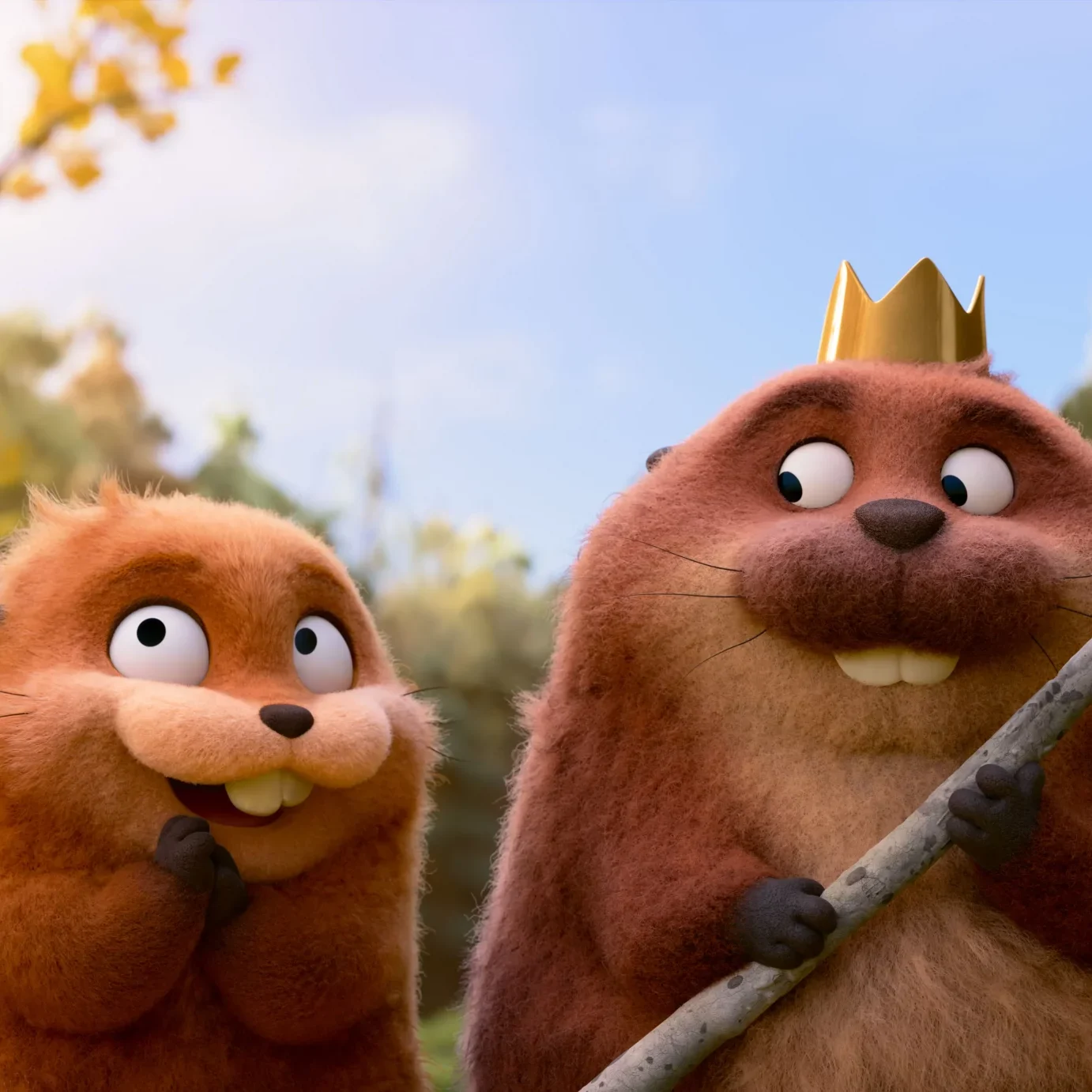
The heart of the film is Mabel’s fledgling relationship with George, the beaver king of the forest. When she first encounters him, she begs him to take back the precious glade, but is instead shocked by his initial refusal. George sees humans as just another part of the ecosystem he lives in: the animals have their space and the humans have theirs. His pacifism jars Mabel’s activist heart, and throughout the antics of the movie, eventually softens it. At a climatic moment, their relationship is challenged and irreversibly changed. The outcome brought me to tears. Our choices with nature and others often have tragic outcomes, but new growth is always possible.
At the end of the day, Hoppers honestly explores a person’s relationship with nature. It calls the audience to care and nurture the world we live in, but it never belittles. Instead, it offers heart, humor, and tears of the joyful and bittersweet kind. And maybe even a little green lizard to guffaw at.
Tags –
Leave a Reply