
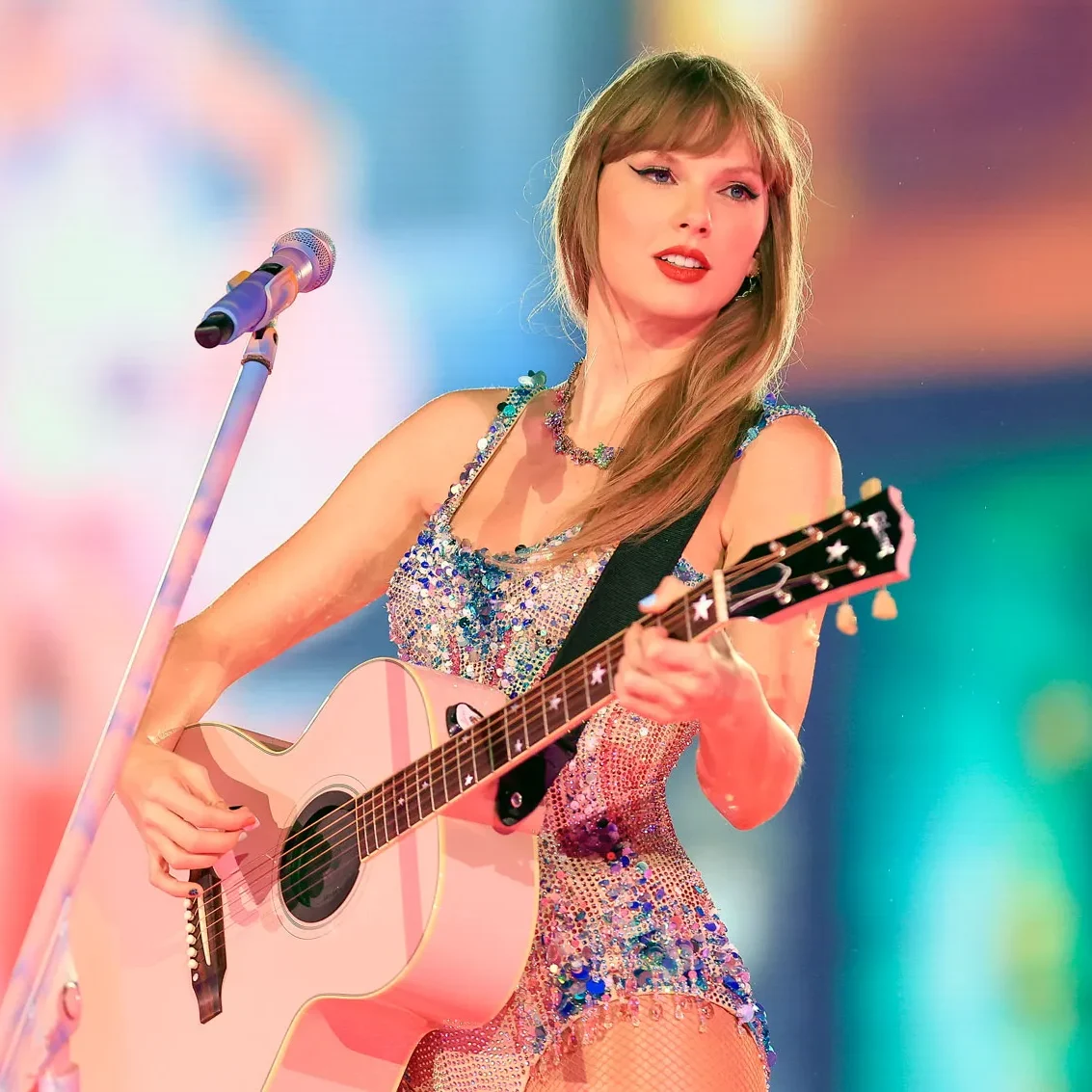
An Analysis of Taylor Swift’s Messy Album Rollouts

For those who spent 2025 under a rock, Taylor Swift released her highly anticipated twelfth studio album, The Life of a Showgirl, to… intense reactions. Many fans were disappointed, shocked, or even angered, while others insisted that Showgirl was her best work. Critics widely panned the album, and even the hardcore Swifties, those who were first to defend previous albums, remain divided on Showgirl. Is it Miss Americana at the height of her melodic prowess? Is it the worst thing she’s ever recorded? Or is it an average album with outsized expectations?
Regardless of the actual quality of the album, the discourse surrounding Showgirl was incredibly divisive, even more so than Swift’s previous polarizing album releases. And yes, this was not the first time Miss Americana released an album to immediate controversy. Since I began actively following her career in 2021, each project—Midnights, The Tortured Poets Department, and now The Life of a Showgirl—sold and charted incredibly well, yet received mixed reactions from either fans or critics (or both). Pre-COVID albums reputation and Lover had similarly tumultuous initial perceptions, though Swift’s older records tend to be viewed more positively in hindsight. Consider reputation, which alienated fans on release but is now considered a cult classic and one of the most popular sets on the Eras Tour. When Swift albums are good, the quality of the work and the community around them can overcome an initial bad reception.
In that case, why would an album considered in hindsight to be one of Swift’s best, such as reputation or Midnights, be so controversial upon release? Marketing. Though the internet and entitled fans will always blow a negative conversation out of proportion, much of the backlash to Swift’s recent albums was inadvertently instigated by Swift herself via pre-release marketing that created inaccurate expectations for her projects.
reputation was released at a moment in Swift’s career when hating her was cool. Any album would have been received poorly, but a record that leaned into the “evil serial dater” character the tabloids had created for her? Unthinkable. And yet she adopted the caricature, creating a world around a version of herself who embraced edgy imagery and the snake motif assigned to her by the internet. Swift would later call the album “a goth-punk moment of female rage at being gaslit by an entire social structure,” which is accurate… until it isn’t, because most of reputation’s tracks are some form of love song. At least half the album depicts a woman fleeing fame for the comfort of a partner outside the limelight. reputation is a much grander statement than implied by the pre-release music videos. It reacts to Swift’s public perception, then moves past that to more interesting questions about fame and relationship, a fact that the discourse around the album, even from Swift herself, often misses.
Speaking of missing (or, not), Swift shot herself in the foot on her seventh album, Lover. The pre-release singles painted a colorful yet saccharine picture punctuated by political activism. Unfortunately, this is only one facet of the sprawling 18-track record. Lover’s lead single, “Me!,” is the worst kind of pop song—incredibly catchy in a juvenile, annoying way that won’t leave your head until you beat yourself unconscious on a brick wall. Fans hated it so much that Swift eventually removed the track’s notorious “Hey kids, spelling is fun!” line from streaming. The following singles, “You Need to Calm Down” and “The Man,” emphasized Swift’s political activism, ignoring songs like “Cruel Summer,” “The Archer,” and “Cornelia Street” that better encapsulate the album’s themes of intimate love and relationship anxiety.
Conversely, the album rollout for Midnights failed because Swift did not release any singles before the album dropped. Coming off two critically and popularly successful pandemic albums, folklore and evermore, Swift teased visuals and social media captions hinting that her tenth album would be inspired by 70s soft-rock. Many fans interpreted that Midnights would be a Stevie Nicks-influenced take on the folklore sound. However, the album was instead filled with dreamy synths and vocal distortion—a moody, melancholy take on her pre-pandemic sound. Swift veered into weird and wordy lyricism for a record of pop songs too verbose for the radio but too pop for her new indie fans. Though Midnights eventually found its audience, fans anticipating a more mature record felt misled by red herrings in the marketing. Expectations could have been better managed by releasing the lead single “Anti-Hero” sooner to clue fans into the album’s sound. To make matters worse, Swift continued releasing physical variants and limited-time editions of the album, making it impossible for diehard fans to purchase a complete physical album. The sales led Midnights to break several sales records and win a Grammy for Album of the Year, but cost Swift goodwill from her biggest fans.
Enter the most recent addition to Swift’s canon. The Life of a Showgirl was a marketing misfire on another level. Once it became clear that an announcement for an orange-themed record was coming, fans assumed that the new album would be lighthearted and draw inspiration from Swift’s relationship with her new fiancé, Travis Kelce. Sure enough, Swift announced the album on New Heights, a sports podcast hosted by Kelce and his brother. While any Swift album is highly anticipated, her language during the podcast created an intense level of hype. Swift noted that she created Showgirl with Max Martin and Shellback, reminiscing on how many of her biggest hits, including “22,” “Style,” “Delicate,” and “Blank Space,” resulted from their creative partnership. She spoke more highly of their work on Showgirl, comparing her pride in it to her pride in the career-defining Eras Tour. “Every single song is on this album for hundreds of reasons… you couldn’t take one out… I wanted to do an album that was so focused on the quality and the theme and everything fitting together like a perfect puzzle,” said Swift on how perfectly curated she felt the album was, highlighting that it channeled folklore-level storytelling via poppier tracks. Fans assumed from her comments that they would be receiving a 1989-level pop juggernaut, or perhaps even something greater.
Imagine their intense disappointment when Showgirl dropped and was far from what she described. It was, however, what fans had expected before Swift built so much hype—a fun, goofy record mostly about her relationship with Kelce. It is no 1989. In fact, Showgirl most closely resembles a condensed, upbeat version of The Tortured Poets Department with a dash of the 70’s sound she’d described for Midnights. Though the track length is indeed a concise 12, the album is lyrically indulgent in a way that her early career records never were. Martin and Shellback delivered as promised on the production, though few tracks recaptured the iconic melodies and hooks of her previous hits, and Swift wrote in a very different voice from her past successes, growing more comfortable releasing truly weird lyrics. Unfortunately, Showgirl cannot measure up to Swift’s previous pop heights, other than perhaps the audacity with which she commits to expressing her innermost thoughts. It is difficult to reconcile such a half-baked record with the career-high excitement Swift expressed for Showgirl during interviews. And that’s to say nothing of the AI-generated promo videos, slew of limited-time album variants and alternative versions, and countless countdowns to merch drops, all of which have alienated fans willing to stick with her through the marketing whiplash. Regardless of the public discourse, Showgirl continues to be one of Swift’s most successful albums.
Over the course of her now two-decade career, Swift has lost the marketing game more often than one of the biggest pop stars on the planet ever should, and she has no one to blame but herself. From marketing misdirects to chart-hungry rollouts, she has created barriers to engaging with her art. Instead of talking about the albums, listeners are dealing with the whiplash of mislaid expectations and discussing issues tangential to the records themselves. Now, controversy drives conversation, and that attention drives sales, even if it’s negative attention. Despite frustrating rollouts and eternal discourse, Swift’s biggest fans have remained loyal. How long, I wonder, until her hunger for success leads her to drop an album so terrible that even they walk away?
Tags –
Leave a Reply